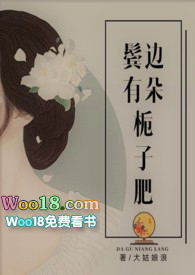
鬓边有朵栀子肥
大姑娘浪
常家小姐站在窗前,笑说:“二哥来瞧苏州娘姨的闺女,庞儿若剥壳的鲜荔枝,水滋滋。”一缕阳光透过雕花窗槅,照在另个高大男人半边脸上,微凝目,半明半暗地闪烁。冯栀踮脚掐朵又白又肥的栀子花,簪在鬓边,无意瞥见窗边的他。那年,她十七,他三十。........“口甜尾毒,腻粉腰,穿花度柳飞轻盈,粘絮寻香滚团绒,小小微躯能负重,透透薄翅会乘风,是甚麽?”“黄蜂?”冯栀气息凌乱,挟紧他精壮的腰身。他俯首种下胭脂记
精品连载34万字
福书网 · www.hansenhouse.org
大姑娘浪
常家小姐站在窗前,笑说:“二哥来瞧苏州娘姨的闺女,庞儿若剥壳的鲜荔枝,水滋滋。”一缕阳光透过雕花窗槅,照在另个高大男人半边脸上,微凝目,半明半暗地闪烁。冯栀踮脚掐朵又白又肥的栀子花,簪在鬓边,无意瞥见窗边的他。那年,她十七,他三十。........“口甜尾毒,腻粉腰,穿花度柳飞轻盈,粘絮寻香滚团绒,小小微躯能负重,透透薄翅会乘风,是甚麽?”“黄蜂?”冯栀气息凌乱,挟紧他精壮的腰身。他俯首种下胭脂记
精品连载34万字
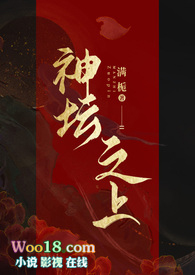
满栀
新晋的斐孤神君对那万年冷冰冰的司命一见钟情,纠缠百年不得竟堕仙为魔,带领魔界逼上九重天要强娶司命。岂料大婚之日,司命却设法抽了斐孤的仙骨,剜了他的心头血,化作他的模样绞了魔界一众法器,将妖魔彻底镇压于补渊。九重天上一时哗然,没想到向来与世无争的司命下手如此狠绝。众仙这才想起,他们这位司命,万年前乃是玄蟒化作的妖修,一步步修道飞升而来。司命却留了斐孤一命,将已神魂剥离的他扔下凡间,随意道:“念在同僚
仙侠完结69万字
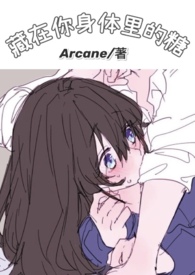
Arcane
楚乙被庙里养大,下山读书又借住到了季家,女人对他而言不过是个性别。直到季家那位娇花儿一样的大小姐来了粟水城,在逼仄的小屋里抱着他的腰问他:要做吗?心机大小姐vs县城土狗.校园日常1v1he????轻松看文勿较真???更新不定时
精品连载21万字
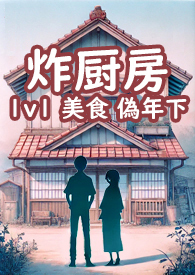
工山
常慧在异国蜗居的第五年,用光了几乎所有积蓄。接连两次打工被辞退,迫于经济压力,她只能同意与人合住。新搬进来的室友长相板正,衣品不俗,吃的用的都是大牌。富二代?有机会一定狠狠敲他一笔,让他明白社会的险恶。让她没想到的是,这个富二代竟然……特别喜欢做饭。明明连方便面都不会煮,却人菜瘾大,偏要自己下厨。做出一盘盘不明物质,还吃得津津有味。今天炒糊鸡蛋,明天烧焦土豆,浪费食材就算了,还险些造成火灾。再稳定
都市连载86万字
没可乐
先天九层之后,便可筑基踏上真正的求仙之路,可叶凡,如今已经是先天期九千九百零一层,筑基却依然遥遥无期……不死不灭不突破,数千年间,叶凡看遍了世间百态,现在只想安安稳稳的苟起来混日子,可却总有一些家伙,就是不开眼……
都市连载375万字
ZYDZYD
八十年代末的江南小镇上搬来了一对新夫妇他们有不为人知的过去,也有不曾预料的未来杏儿给自己的小姨夫生下女儿楚楚一场蓄意的闹事,让她赔上了自己的身体楚楚亦目睹了母亲的失身,却守口如瓶时光流逝,受到母亲影响的楚楚会长成一个怎样的女孩?免*费*首*发:|σ.νi
精品连载7万字
这里有朵花
zんǎsん.c()故事来源于作者网上冲浪看到的一句话:神秘商人们与落魄少女的爱恨情仇。老翁娶了个年轻貌美的媳妇,后来生病了,要死,躺在病床上苟延残喘。媳妇儿进来看他,一进病房就看到屋子里站着三个男人。原来都是那个老翁的儿子,本来以为这
精品连载16万字
小花喵
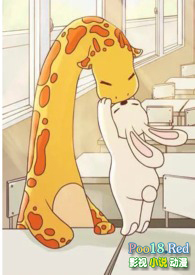
长颈鹿说:我从来没有对你心动过。小冬瓜听完笑了。我想听笑话,不是谎话。”***小冬瓜说:我永远不会说,我爱你。长颈鹿听完也笑了。“你笑什么?”“我听见了。”潮起潮落,周而复始。——致爱情
都市连载45万字
番茄菜菜
文案登山遭遇雪崩,蔡晴回到了她“输掉”比赛那一天,只是这次,她不会逃避现实了。既然羽毛球打不下去了,那玩玩网球怎么样?退役羽毛球冠军的网球天后之路!!!内容标签:竞技重生女强打脸主角:蔡晴┃配角:古振涛,苏凤梅,赵宝山,卡尔希┃其它:网球,竞技
穿越完结202万字